Reading about the Plains

dakota

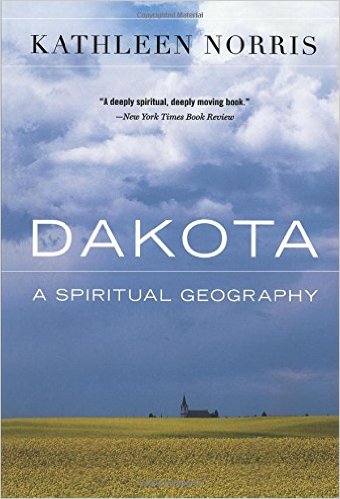
This week, I finished teaching Dakota, an amazing book that I loved sharing with students. It was also enjoyable to read this book now that I am living on the Plains, a region close to the place Norris writes about. For that reason, I’ll quote the opening lines:

The high plains, the beginning of the desert West, often acts as a crucible for those who inhabit them. Like Jacob’s angel, the region requires that you wrestle with it before it bestows a blessing.  (1)
Timely Reading

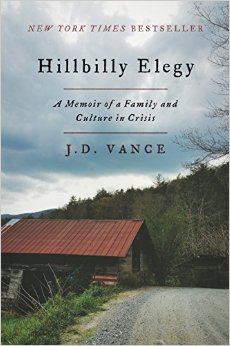
hillbilly-elegy

Earlier this week, I read J.D. Vance’s Hillbilly Elegy (2016), not only because everyone is talking about it but also because I am teaching an Advanced Composition class on community and place. Vance’s depiction of a particular community in the Midwest/Appalachia was helpful for me as I’m thinking about teaching my course.


Writing and Work

walkingonwater

I read L’Engle’s book because I wanted to see what she has to say about faith and writing, and I plan on sharing the excerpt below with my students this spring:

Too many books are published which are shabbily and shoddily written. Many are simply rough drafts, and most first drafts need long and hard revision, and that means work, and we have been taught to look down on work.

End-of-Semester Miles

At this point in the fall semester, I like to read Robert Frost’s “Stopping by Woods on a Snowy Evening,” especially these lines:

The woods are lovely, dark and deep, / But I have promises to keep, / And miles to go before I sleep, / And miles to go before I sleep.

Teaching Dickinson

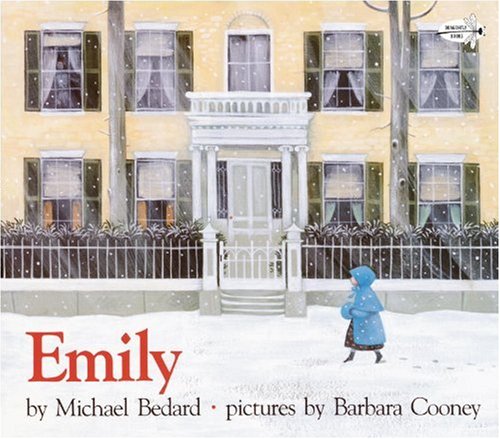
Today, I taught Emily Dickinson’s poetry in my American literature class, the last reading assignment of the semester. I read to my students the following children’s book about a little girl who lives across the street from Dickinson and gets a chance to meet “the Myth.” My students appreciated it!

bedards-emily